
- Introduction
- What AI Means in Modern PPC Advertising
- How AI Is Revolutionizing PPC Advertising for Maximum ROI
- Real-World Examples of AI Improving PPC ROI
- AI-powered PPC tools
- Conclusion
- Frequently Asked Questions
Running PPC ads used to feel a bit like guessing. People would set bids, choose some keywords, wait a few days, then change things again. Sometimes it worked. Sometimes money just disappears. Many advertisers feel frustrated while opening an ad dashboard in the morning and seeing numbers that make no sense at all. That slow, manual way is fading now. AI quietly stepped in and started doing the thinking faster than any human could. Not perfectly, but fast, and often better. In this blog, you will learn how AI is changing PPC ads in reality and how it is helpful for people who want maximum ROI.
What AI Means in Modern PPC Advertising
AI in PPC does not mean robots will take complete control of your ads. It is like a smart assistant that never gets tired. This helper tracks clicks, searches, time of day, devices, and small behavior patterns in a short time. Without AI, advertisers have to guess which keywords might work. AI observes real analytics and makes adjustments based on real results. From real analytics, it makes changes that improve ROI and save budget.
How AI Is Revolutionizing PPC Advertising for Maximum ROI
You can improve your ROI with AI in pay-per-click advertising campaigns. The following 7 points will tell you how AI is revolutionizing PPC advertising for maximum ROI.
- Smart Audience Targeting
- AI keyword research for PPC
- AI bid optimization PPC
- Predictive Analytics
- Dynamic Ad Creation
- Landing Page Optimization
- Automated Campaign Management
Let’s explain each point in detail for better understanding.
Smart Audience Targeting
AI makes audience targeting smarter. It notices behavior, history, demographics, and tracks who clicks fast, scrolls, comes back later, and who never converts. For example, two people might search for the same word, but one buys it often, and the other never does. AI starts finding people who look similar to past converts. This helps ads feel more helpful and reduces wastage of money.
AI keyword research for PPC
In manual Keyword research, you just open a tool, pick popular words, and hope for the best. In most cases, it works a little. AI uses long, specific phrases that people actually type when they are ready to act. Instead of keywords like “running shoes,” it uses “light running shoes for knee pain.” These phrases help in ranking and are easy to miss by humans. AI finds them because it watches real searches and results. This alone can change how ROI feels after a few weeks.
AI bid optimization PPC
Manual bidding is stressful because you may raise the bid too much, and money gets wasted. Or you may lower it too much, and the ads disappear. AI handles this in real time. It raises bids when a click looks valuable and lowers them when it does not. If a campaign starts doing well, more budget flows there. If something slows down, spending drops quietly. Many advertisers notice they stop checking bids every hour because the system reacts faster in milliseconds than they can.
Predictive Analytics
Predictive analysis is the key power of AI. It does not wait for a campaign to fail. It observes the patterns and makes adjustments before any big loss. For example, if a keyword is not working, AI will flag it early, or if cost raises on weekends without any sales. It automatically adjusts improvements to avoid slow leaks in the budget
Dynamic Ad Creation
Writing ads used to be a creative task that was mixed with guesswork. Which headline works best? Which description gets ignored? AI tests these things constantly and watches people’s responses, and keeps the stronger ones active. Over time, better combinations show up for everyone. The ad slowly improves without anyone rewriting it daily. Many advertisers notice they forget which version they wrote because the system mixes and learns on its own.
Landing Page Optimization
Clicks are useless if the page feels confusing. AI watches what people do after clicking, where they stop, and where they convert. Sometimes it suggests small changes. Other times, it adjusts paths automatically. These changes feel small, but they improve performance. When ads and landing pages are optimized according to audience behaviour, it results in conversions.
Automated Campaign Management
In Campaign management, we usually add negative keywords, stop low performers, and adjust the budget. Manually, it is difficult to handle all things at the same time. AI does this task efficiently. If a keyword keeps wasting money, AI removes that keyword. Or if a campaign needs more budget, it adjusts it accordingly. This saves time and reduces mistakes. Advertisers spend less time on fixing small things and more time thinking about the bigger picture.
Real-World Examples of AI Improving PPC ROI
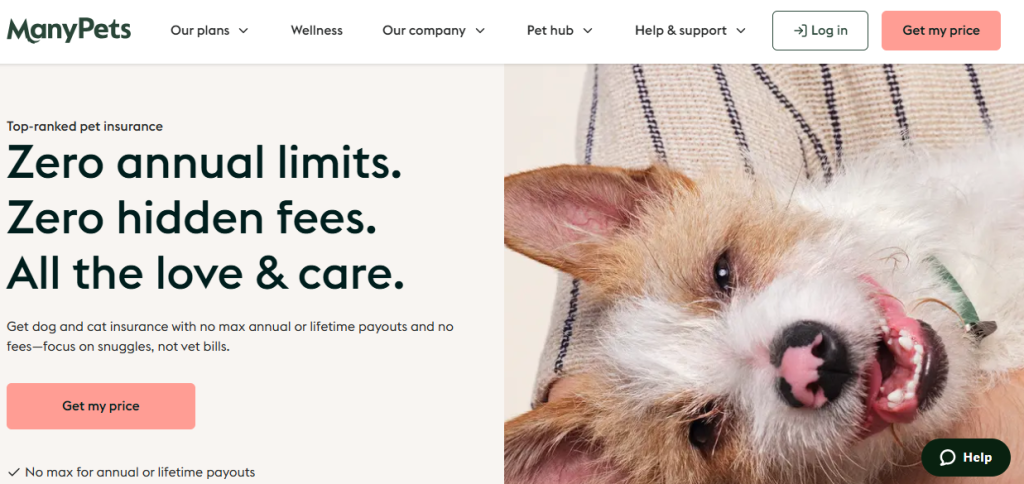
ManyPets
ManyPets is an insurance company in the U.S. They use Google’s Performance Max campaigns that are driven by AI. After this shift, they get 27% more sales and 2x ROAS ( return on ad spend).
KEH Camera
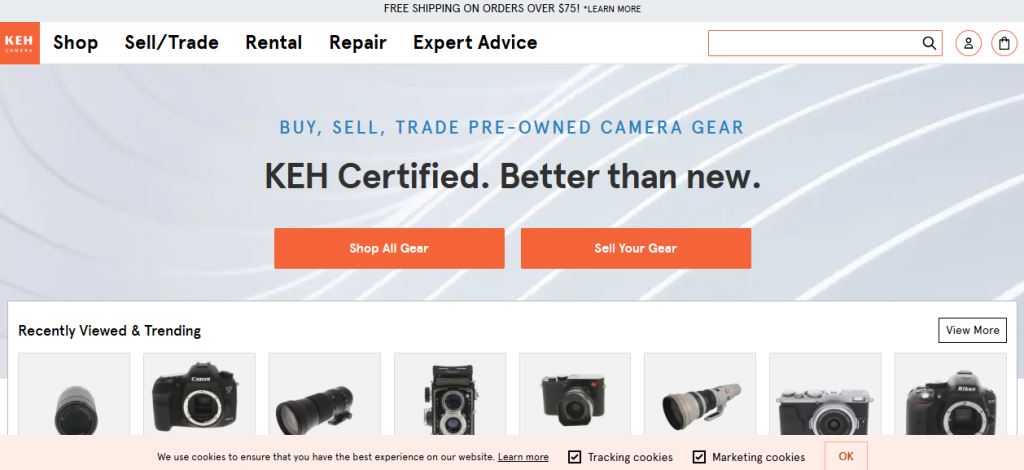
It is a U.S. company that sells used camera gear. When they used AI to revolutionize PPC Advertisements. Their revenue jumped by 76.3%, and overall ad spend improved dramatically. This is because of the AI‑driven campaign that optimizes placements based on performance signals.
AI-powered PPC tools
AI PPC campaign optimization does not replace humans, but it assists them in doing things in less time. The following AI-powered PPC tools help you run ads in an efficient way to get maximum ROI.
Google Performance Max
Google Ads has AI inside it. Its smart Bidding feature automatically changes bids for clicks based on audience behaviour. You don’t need to do it every hour. Google Performance Max campaigns let AI show ads on search, YouTube, display, and shopping. It finds people who might buy and change campaigns little by little. Many small shops and medium businesses use this. It saves time and helps get better results.
Microsoft Advertising
Microsoft Ads also has AI. Intelligent Campaigns can set bids, pick keywords, and decide where to show ads. It works on Bing and Yahoo. The AI watches customer behaviour and tries to improve the campaign slowly. It is simple to use for businesses that don’t have big teams.
Third-party tools
Optmyzr,Skai (formerly Kenshoo),Revealbot (now Birch),Adzooma, AdCreative.ai and Albert.ai are the other platforms that offer PPC advertising automation.
Conclusion
AI in PPC works quietly behind the ads. It does the small changes all the time that are time consuming for people to do. It does not take your job or ideas, but it helps with the small parts, like changing bids, finding the right people, testing ads, and sometimes fixing landing pages. The results do not come in one day. But slowly you get more clicks, money is spent more smartly, and more people buy. In the U.S., Brighton Ashbury, a digital marketing company, helps businesses to get benefits from AI in PPC to get maximum ROI.
Frequently Asked Question
What is AI in PPC?
AI in PPC is a tool that helps you to run ads in a better way. It observes audience behaviour and changes bids, shows ads to the right people.
Can AI really improve my ad results?
Yes, it can. AI watches what works and what does not. It finds better keywords, shows ads to people who are more likely to buy, and changes bids automatically.
Do I still need to manage my campaigns?
Yes, you need to manage campaigns. AI helps with many things, but you still choose goals, write ads, and watch the results.
Is AI expensive to use for small businesses?
No, many tools, like Google Ads, already have AI built in. You do not need extra software. The AI can work with small budgets, too. It helps us use money more smartly, even if the budget is low.
How long does it take to see results with AI?
It usually takes some weeks. AI needs data to learn and adjust. You may not see big changes in one day, but over time, clicks get better, more people convert, and ROI improves.