
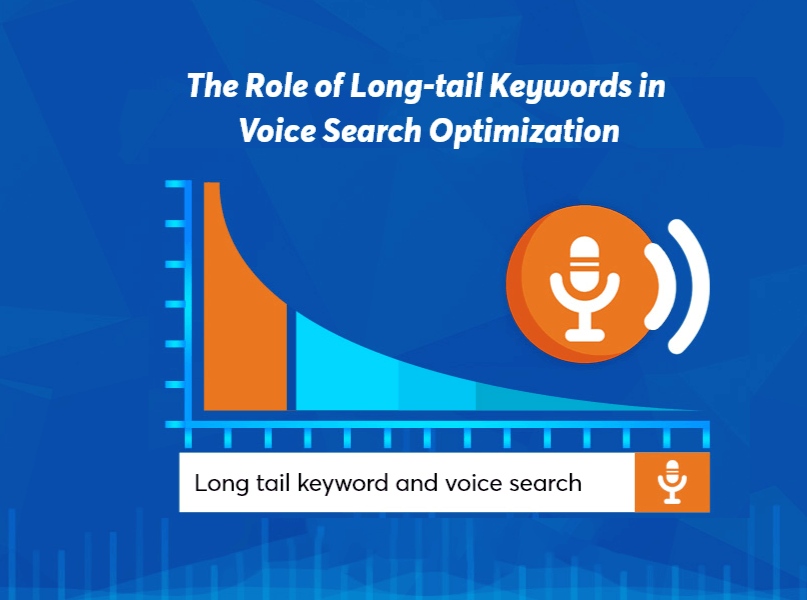
- Introduction
- What Is Voice Search Optimization?
- What Are Long-Tail Keywords?
- How To do Long-Tail Keyword Research
- How do I use long-tail keywords in content?
- How Long-Tail Keywords Enhance Voice Search Optimization
- Examples of Long-Tail Voice Search Queries
- Common mistakes
- Conclusion
- FAQs
I still remember the first time I used voice search without thinking about it. I was busy, and the phone was in my hand, and I just said, “Hey Google, where can I buy running shoes near me?” It felt normal. I didn’t stop to shorten the words or think like a search engine. I just spoke. That small moment explains why long-tail keywords matter so much for voice search. People don’t talk in keywords.
They talk in full thoughts. And voice search listen it closely. Voice search isn’t some fancy thing anymore. It’s just part of daily life now. People ask their questions while cooking, driving, or walking. And those questions are usually long, clear, and very specific. That’s where long-tail keywords quietly do their job. In this blog, you’ll see how long-tail keywords work with voice search, get simple examples, and learn easy ways to make your content show up when people ask questions in voice form.
What Is Voice Search Optimization?
Voice search optimization means making your content useful when someone speaks instead of typing on search engine. When a person asks a question loudly, voice assistants try to give one clear answer, not ten blue links. So the goal of content changes a lot. You’re no longer trying to impress a search engine. You’re trying to sound like the best possible answer to a real person asking a real question. Voice assistants like Google Assistant or Siri don’t guess much. They look for content that is clear, natural, and satisfies user intent. If your webpage is stuffed with keywords, it often gets ignored.
What Are Long-Tail Keywords?
Long-tail keywords are the long phrases that explain a query in a better way. These keywords don’t cover a complete topic. They just focus on one clear idea. For example, People donot just say running shoes on voice search. They say, “Best running shoes for flat feet,” which tells a full story. You know what the person wants and why they’re searching. That makes it easier to help them. Long-tail keywords often feel boring at first. They don’t look powerful. But they quietly bring the right people.
How To do Long-Tail Keyword Research
Traditional keyword research often focuses on numbers, search volume and difficulty scores. Voice search research feels more like listening. You think about how people ask questions out loud. You imagine the moment. Are they walking? Cooking? In a hurry? Voice search keyword research leans toward intent instead of traffic size. Even if fewer people search a phrase, the ones who do usually care more.
Good voice keywords often look like questions. They start with simple words and sound casual. You can spot them in search results, especially in the “People Also Ask” area. Those questions are real. People are asking them every day. When you write content that answers those questions clearly, you’re speaking the same language as voice search users.
How do I use long-tail keywords in content?
You can use long-tail keywords in content by following these ways:
- Conversational keywords
- Question-based keywords
- Leverage “People Also Ask” for Keyword Ideas
- Voice search SEO
- Optimize for Mobile Voice Searches
Let’s explain each point in detail.
Conversational keywords
When writing for voice search, it helps to imagine explaining something to a friend. Not teaching. Just explaining. You don’t need perfect grammar. You need clarity. Short sentences that help the searcher. If a sentence sounds strange when read out loud, it probably won’t work well for voice search.
Question-based keywords
FAQ pages fit voice search naturally. One question and its clear answer. No keyword stuffing. Voice assistants love that structure. They can pull the answer easily without guessing. FAQs are also helpful to readers. They save time and feel honest.
Leverage “People Also Ask” for Keyword Ideas
That small box of questions in search results is keyword box for voice search. Each question shows how people really ask things. When you answer those questions in your own words, using natural language, you align with voice search without forcing it.
Voice search SEO
Many voice searches are local. People ask for places, directions, or services nearby. Adding location words in a natural way helps. Just being clear about where you are and who you help. “Near me” searches aren’t about SEO tricks. They’re about convenience.
Optimize for Mobile Voice Searches
Voice search often happens on phones. Slow pages frustrate people quickly. A clean, fast, mobile-friendly site supports voice search.
How Long-Tail Keywords Enhance Voice Search Optimization
Voice search loves long-tail keywords because they sound human. When someone speaks to a phone or smart speaker, they don’t rush. They explain. Long-tail keywords match that tone. They fit naturally into spoken questions. That helps voice assistants trust your content as a good answer. A person using long-tail voice searches usually wants to act. Buy something. Find a place. Learn something specific. When your content matches that intent, conversions often follow without much pushing.
Mimic Natural Speech Patterns
People don’t talk in fragments. They talk in full sentences, sometimes messy ones. Voice searches often start with words like where, how, or what. Long-tail keywords copy that style. They don’t feel forced. They feel like something someone would actually say while making tea or tying their shoes. When your content matches that rhythm, voice assistants pick it up more easily.
Higher Specificity and Clearer User Intent
Longer phrases mean a clear meaning. Someone asking, “What’s the weather like in Los Angeles today?” isn’t browsing. They want an answer now. That clarity helps your content show up for the right searches. It also brings people who are more likely to stay, read, or take action. They’re not guessing. They know what they want.
Less Competition and Easier Rankings
Short keywords are crowded. Everyone wants them. Long-tail keywords often get ignored, which is kind of their strength. Because they’re specific, fewer pages target them well. That gives smaller sites a fair chance. You don’t need to fight giant brands if you answer a very clear question better than anyone else.
Better Engagement and Trust Building
When someone asks a specific question, and your page answers it calmly and clearly, trust builds fast. The reader feels understood. They stay longer and read more. Sometimes they come back. That kind of engagement doesn’t come from keyword-stuffed writing. It comes from being helpful in a simple way.
Examples of Long-Tail Voice Search Queries
Typed searches often look short and simple. While voice searches sound like small conversations. Someone typing might write “weather in U.S.” Someone speaking says, “What’s the weather like in Chicago today?” Same topic but a different tone. Another example is food. Typing might be “chocolate cake recipe.” Voice search becomes, “How do I make a simple chocolate cake recipe at home?” Those extra words matter. They show intent, context, and guide voice assistants toward better answers.
Common Mistakes to Avoid in Voice Search SEO
People commonly do following mistakes while applying long-tail keywords in their content:
- Ignoring Natural Speech Patterns
- Treating Voice Search Like Traditional SEO
Ignoring Natural Speech Patterns
One common mistake is writing like a robot while targeting voice search. Stuffing keywords breaks the flow. If it doesn’t sound like something someone would say, it probably won’t help voice search much.
Treating Voice Search Like Traditional SEO
Voice search isn’t about ranking for one word. It’s about answering one question well. Short keywords alone rarely win here. Long-tail, question-based phrases usually do the heavy lifting.
Conclusion
Long-tail keywords help you optimize your content for voice searches. Using natural, conversational, and question-based keywords makes your content easier to find and more helpful. Adding FAQs and satisfying user intent keeps your pages useful and engaging. In the U.S., Brighton Ashbury, a digital marketing company, helps people to optimize their content for voice searches using relevant long-tail keywords.
FAQs
What is the difference between long-tail and short-tail keywords?
Short-tail keywords are short and rushed, while long-tail keywords sound more like how people actually talk.
Do long-tail keywords really help with voice search results?
Voice assistants want to give one good answer, not a bunch of options. Long-tail keywords usually point to very clear questions.
How many long-tail keywords should I use on one page?
There isn’t a fixed number, and honestly, counting them usually causes problems. One main long-tail keyword is often enough.
Do FAQ pages really help with voice search?
Yes, when someone asks a question in voice search, and your content clearly gives the answer to that question, the search engine puts your page in front of that person.