
- Introduction
- Off-page SEO guide
- Off-page SEO factors
- Link building techniques 2026
- Common mistakes in off-page SEO
- How to build quality backlinks
- Off-page SEO best practices
- Conclusion
- Frequently Asked Questions
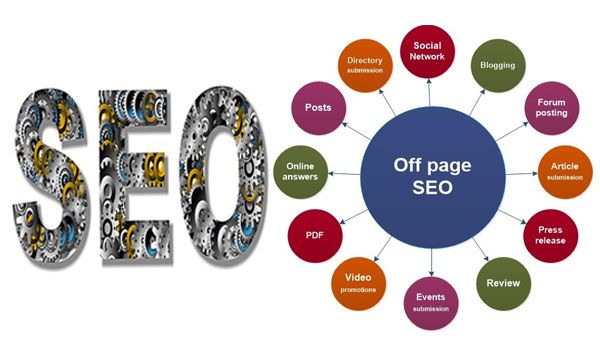
Search results in 2026 do not move only because of what is written on a website. Many SEO changes happen outside the site, and those changes matter in ranking. Off-page SEO has become more connected to how a site is talked about, shared, and referenced across the internet. Google looks at these outside signals to understand if a website is trusted and if it belongs in its topic area.
This fact has slowly changed how rankings grow. Quick link tactics no longer work. Sites that stay visible usually have a steady presence outside their own pages. They are mentioned in the right places, over time, and in ways that feel normal. That pattern is now harder to copy and easier for search systems to trust. This blog is a complete off-page SEO guide; you will learn factors and smart SEO techniques that help you rank.
Off-page SEO guide
Off-page SEO in 2026 is not treated as a separate task anymore. It blends into normal online activity. When a site publishes useful content, others may mention it. When a brand becomes known, its name starts showing up on other pages. These things happen naturally, not all at once. Links still matter, but they are no longer counted in simple numbers. A few links from related websites often help more than many links from random sources.
Google seems more focused on where a link comes from and how it fits into the page around it. Off-page SEO factors also work together more than before. A backlink may support a brand mention. A mention may support user searches. None of these signals works alone for long. When they point in the same direction, rankings tend to hold steady.
Off-page SEO factors
The following factors directly affect off-page SEO:
- Backlinks and Authority
- Brand mentions
- User engagement and real-world signals
Let’s discuss each factor in detail to better understand our targeted SEO.
Backlinks and Authority
Backlinks still sit at the center of off-page SEO, but they are judged more carefully. A link from a focused website within the same topic area often carries more weight than several links from broad sites with no clear theme. Context around the link matters, not just the link itself. Topical authority has become more visible in rankings. Sites that are linked by others in the same field tend to perform better. This mirrors how real expertise works. Recognition usually comes from peers, not from unrelated sources.
Brand mentions
Brand mentions still count, even if there is no link there. When a brand name comes up in articles, reviews, or casual online posts, it leaves a small signal behind. These mentions often happen in normal conversations or everyday writing. Over time, this helps search systems see what the brand is connected to and what kind of topics it belongs with.
User engagement and real-world signals
User engagement and real-world signals work in quiet ways. Reviews, citations, and brand searches each leave a small mark. One signal by itself may not shift rankings much. When they appear together over time, they help show that a site is known, used, and trusted.
Link building techniques 2026
In 2026, you can rank your website through link building. The following are the best link building techniques:
- Backlink strategies for rankings
- Guest posting for SEO
- Digital PR
Backlink strategies for rankings
Authority-driven link building happens in a natural way. Good backlinks usually come over time, not through constant chasing. Sites that earn strong links often share content that others actually want to reference. That content blends into other articles instead of standing out as a forced mention. Relevance matters more than size. A link from a smaller site that stays focused on one topic can carry real value. Many editors are careful about what they publish now, and broad or generic outreach messages are often ignored.
Guest posting for SEO
Guest posting still has a place, but only when it feels natural. The article should read like a regular piece of writing, not something added just for a link. Any mention of another site is short and fits the topic being discussed. Articles written mainly to place links are easier to notice and usually stop working after some time.
Digital PR
Digital PR links often come from sharing data, simple insights, or useful resources. When a site gets mentioned this way, the links usually stay in place longer. These mentions also help people recognize the brand outside of search results, which supports off-page SEO in a quiet and steady way.
Common mistakes in off-page SEO
Older link
Some older link-building methods no longer help much. Many directories are made only to hold links, and search engines are aware of this. If a directory is not clearly connected to a real industry or a real place, its effect is usually very small.
Paid links
Paid links are still used, but they rarely support stable rankings. Even when they appear to work at first, their effect often fades. This makes them risky in terms of time and cost rather than penalties.
Anchor text
Anchor text is another area where mistakes still happen. Repeating the same keyword-heavy phrases across many backlinks can slow progress instead of helping. Natural links usually use different wording, and profiles that reflect this tend to rank better.
Automated outreach
Automated outreach has also lost its strength. Messages sent at scale often sound similar. Even when accepted, the resulting links often sit in weak content with little lasting value.
How to build quality backlinks
You can build quality backlinks with patience, honesty, proper actions, and strategies. After detailed research, I have selected the following four key steps that help you build quality backlinks in the simplest and fastest way.
- Consistency
- A healthy backlink profile
- Monitoring off-page SEO
- Brand-focused content approach
Off-page SEO best practices
Search engines still rely on off-page SEO because it shows how others see a website. A site can say many things about itself, but outside websites do not change their words easily. That makes these signals more reliable over time. In many industries, content quality is now similar across many sites. Pages are well written and technically sound. When that happens, Google needs other ways to decide which site deserves a higher ranking.
Off-page signals help with that decision. Off-page SEO also supports trust and authority in quiet ways. When the same site is mentioned again and again by related sources, it starts to look credible.
Conclusion
Off-page SEO in 2026 reflects how websites exist beyond their own pages. Rankings grow when a site becomes part of wider conversations in its field. These signals are built through relevance and steady presence rather than quick tactics. The backlink strategies that support rankings now look simple on the surface. They rely on being mentioned in the right places and being trusted over time. This process moves slowly, but it tends to last, which is why it continues to shape search results year after year. In the USA, Brighton Ashbury guides people to identify their off-page SEO mistakes and helps them to get better results.
Frequently Asked Questions
Is guest posting still safe for SEO?
Guest posting can still be useful when done carefully. It works best when the article feels normal, and the link fits the topic. Guest posts written only for links are easier to spot and usually do not help for long.
How long does off-page SEO take to show results?
Off-page SEO usually takes time. Results often appear slowly as mentions and links build up. Sites that grow at a steady pace often keep their rankings longer than sites that try to move too fast.